“From Whirlwind to Worldwide: The Wild History of Taz!”
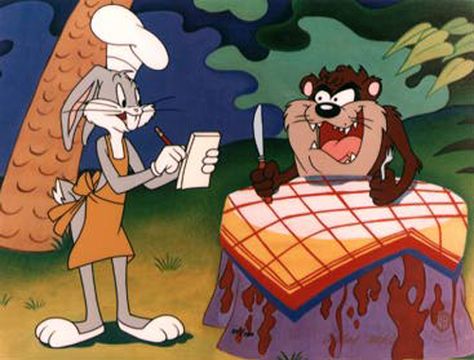
Long before he became the spinning, growling force of chaos seen on T-shirts, lunchboxes, and Saturday morning cartoons, the Tasmanian Devil—better known as Taz—was one of the most unpredictable stars in the world of Looney Tunes. Unlike Bugs Bunny or Daffy Duck, Taz didn’t rely on clever jokes or elaborate schemes. He was pure energy, destruction, and appetite rolled into one furry tornado.
Taz made his explosive debut in 1954 in the cartoon Devil May Hare, directed by legendary Warner Bros. animator Robert McKimson. In the short, Bugs Bunny encounters a ferocious creature from Tasmania who wants nothing more than to eat him. Taz didn’t speak much—mostly grunts, snarls, and his trademark wild noises—but audiences instantly remembered him thanks to his spinning attack and untamed personality.
The original voice of Taz was provided by the legendary Mel Blanc, whose vocal performance turned the character into an unforgettable cartoon menace. Blanc combined growls, snarls, and gibberish into a sound that somehow perfectly matched Taz’s chaotic behavior.
Interestingly, Taz only appeared in a handful of classic Looney Tunes shorts during the 1950s and early 1960s. Warner Bros. executives reportedly worried the character was too violent and repetitive for frequent use. Yet despite the limited appearances, Taz developed a cult following that exploded decades later.
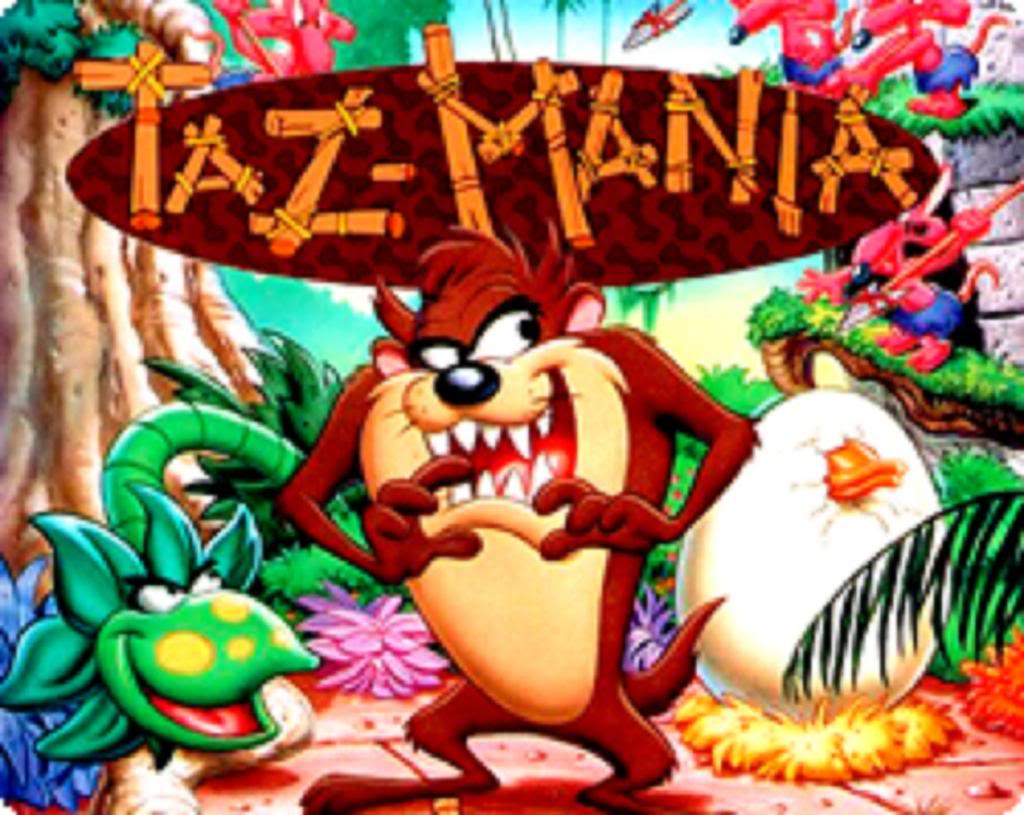
The real Taz craze arrived in the 1990s. Warner Bros. transformed the character into a merchandising powerhouse. Suddenly, Taz was everywhere—on hats, jackets, posters, and backpacks. His edgy attitude made him especially popular with kids and teenagers during that era. The character even received his own cartoon series, Taz-Mania, which premiered in 1991 and expanded his world with new characters and adventures.
What makes Taz endure is his simplicity. He’s raw cartoon chaos in its purest form. While many animated characters evolved into heroes or role models, Taz stayed true to what made him famous: spinning fast, eating everything in sight, and leaving total destruction behind him.
More than 70 years after his debut, the wild little devil from Tasmania remains one of the most recognizable members of the Looney Tunes family.